

We’re excited to announce the publication of a new Collection across several PLOS journals in partnership with the Gates Foundation, including a…
Reflecting on 2025: Highlights from PLOS Global Public Health (Part 1)
By Julia Robinson, Executive Editor, PLOS Global Public Health
There is no way to sugarcoat that 2025 was a year that dramatically altered the field of global health. Funding cuts abruptly halted essential public health programs around the world, blocking billions of dollars earmarked for HIV, TB, reproductive health, and climate‑related programs, leaving millions in Africa and other regions without essential services. Grant money from the US also dramatically declined, meaning that programs intended to build evidence to inform effective public health prevention and treatment programs will lose critical insight into what works in an ever changing landscape of public health challenges.
However, despite these challenges, as 2025 comes to a close, I have been reflecting on how much PLOS Global Public Health has much to celebrate. This year, the journal published research that not only advanced scientific understanding but also resonated widely with policymakers, practitioners, and the public. Several papers stood out for their readership, fearlessness, and visibility across media and social platforms — underscoring the journal’s mission to amplify diverse voices and make global health research accessible to all. We published some incredibly bold and thought provoking pieces – some of which I’ll highlight below – and are constantly trying to rise to this moment and live up to our mission.
We also saw some major changes in the leadership of the journal, with founding co-Editor-in-Chief Madhu Pai stepping down and the journal welcoming Manuela de Allegri to join Catherine Kytobutngi to guide the journal into the next phase of its development, expanding our reach to even more communities around the world while continuing to advance our mission of equity, inclusion and diversity. We also celebrated our four-year anniversary of publishing articles!
Below we’ll highlight some of the year’s emerging content, thought leadership, and pieces that expanded and challenged our thinking in 2025. We’ll focus on Front Matter – Reviews, Essays, and Opinions – today, and join us tomorrow for a wrap of our top Research Articles.
Reviews
Reviews are a special article type as they really help us synthesize existing research, highlight gaps, and (perhaps most importantly) guide future studies and policies. We’ve published Reviews on a variety of topics this year (you can browse them all here), on everything from the Trump presidency’s effect on global health, to TB stigma in India, to a proposed taxonomy for community health workers. Some personal standouts for me:
A guide to selecting psychological interventions that can be delivered by people who are not mental health specialists in low-resource settings
I really loved this review, in which authors Ruta Rangel, Adam D. Brown, Jerome T. Galea, Sauharda Rai, Nicole Ross, Mansurat Raji, Pragya Shrestha, Bryan Cheng, Josephine Akellot, and Brandon A. Kohrt not only provide an overview of ten psychological interventions that have demonstrated effectiveness in randomized controlled trials when delivered by non-specialists in low-resource settings for adults, but they also focused on making the paper as useful as possible by presenting visual summaries, which guide to support selection of psychological interventions based on population needs, mental health conditions, and available resources.
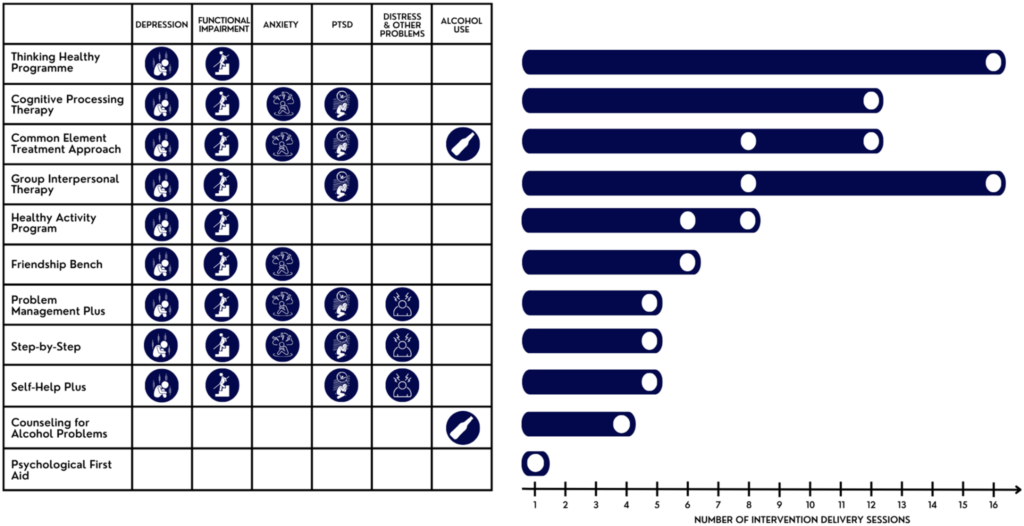
Figure 1 from the paper, which is one of the visual summaries that can serve as an aid to picking an intervention.
Metrics for biodiversity and health policy integration
This is another paper that I found really useful, in which authors David Nogués-Bravo, Sarah Whitmee, and Liz Willetts contribute to addressing biodiversity loss by effectively linking policy and transdisciplinary practice at the health-environment nexus. Situated in the urgency of the pace of climate change, this paper offers some concrete proposals to policymakers worldwide on integrated metrics as a concrete way to bring different frameworks together and identify synergies and efficiencies in multilateral environmental agreements.
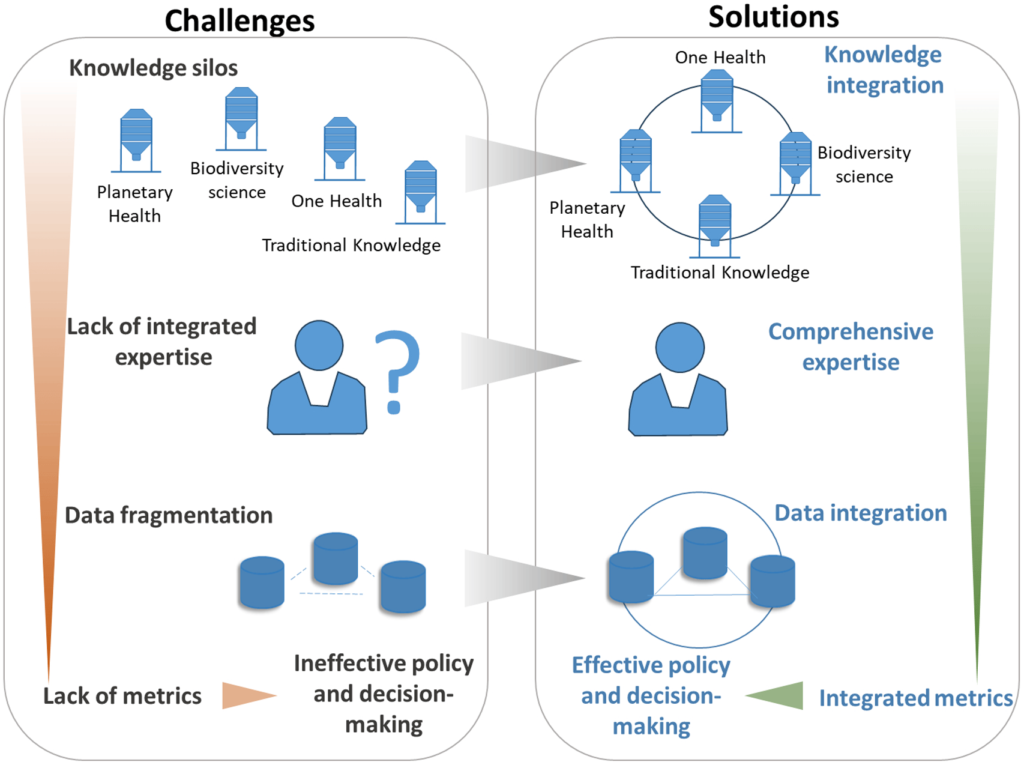
Fig 2. Challenges and Solutions for Biodiversity and Health Policy Integration
Essays
The Essay article type is our newest over here on PLOS Global Public Health, and I’ve been thrilled to see what an active, dynamic space we’ve created for thought leadership, a platform for new voices, and writing that challenges us to see things in an entirely new way. There was such a wide variety of topics covered this year: dementia care in LMICs, grappling with ethical and moral dimensions of using artificial intelligence for evidence synthesis, and truth-telling and Aboriginal and Torres Strait Islander history in Australian Public Health – to name just a few. My two personal favorites of the year were published the same week in June 2025:
Reimagining Black maternal health narratives: Embracing a Vitality Framework for joy, liberation, and healing
It’s so hard to convey how powerful this piece, written by PLOS GPH Section Editor Ijeoma Opara and Yasmine Elmi, is. This Essay was based on a Black History Month lecture given by Dr. Opara (INO) at McGill University on February 21st, 2024, as part of efforts to expand the ‘dominant narratives’ surrounding Black maternal health. It beautifully, brilliantly introduces ethering as a framework that transforms these harmful effects by reclaiming Black joy as an essential component of maternal health. Included in the piece are two stunning works of art to illustrate the Vitality framework. It’s a piece worth revisiting again and again, to reflect upon, share, and enjoy the beauty of how Opara and Elmi put words together.
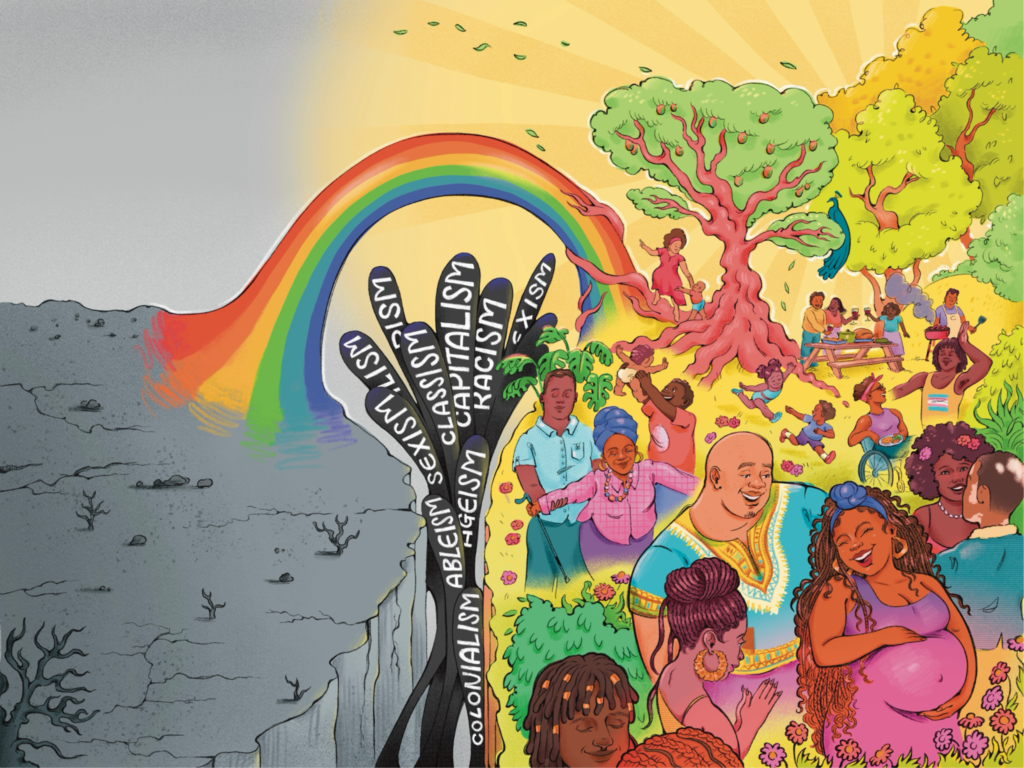
Fig 1. Vitality Framework: A peacock symbolizing the Vitality Framework, with feathers representing Reimagine, Reframe, Reclaim, and Recreate, leading to Joy, Liberation, and Vitality
Representation, activism, health promotion, and communication: The role of art in advancing global health and social justice
I was really excited about this Essay when it was submitted to the journal, as I am a huge advocate for using art as a tool to advance public health goals. From murals to graphic novels to performances to artistic messaging on t-shirts – these are all powerful media to convey education, awareness, and empathy. This team of really brilliant authors, which include Mark Donald C. Reñosa, Kelly E. Perry, Siddharth Srivastava, Angeli Rawat,Zaida Orth, Phuong Bich Tran, Diane Woei-Quan Chong, Joseph Kazibwe, Maira Shaukat, Germán Andrés Alarcón Garavito, Mazen Boroudi, Vivek Dsouza, Shahreen Chowdhury, Bachera Aktar, Daniela Da Costa, Daniela Ochaita, and Kerry Scott explore four areas in which art can be leveraged to improve global health and discuss various barriers and tensions in doing so, including a lack of funding and resources, ensuring authentic partnership and allyship with affected communities, and honing a message that retains its transformational power.
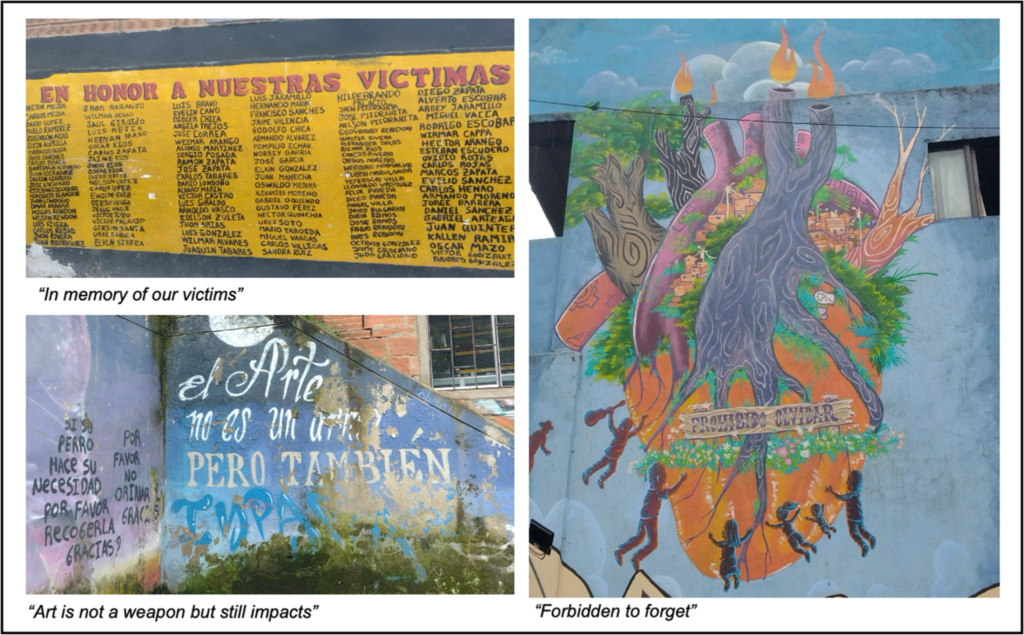
Fig 3. Street Arts in Medellin, Colombia
Opinions
Finally, to round up our year end summary of front matter content at PLOS Global Public Health, we have our bold Opinion articles. We published 39 of them this year, many of which grappled with how to adapt to an ever changing world of global health. The titles alone reflect this collective discussion of how to show up and protect the people’s health in these unprecedented times:
- Protecting global health partnerships in the era of destructive nationalism
- Thinking through abrupt closure in humanitarian assistance: Key ethical considerations in seemingly impossible conditions
- Global health is in crisis: How can Canada contribute?
- The Trump Administration’s ‘earthquake’ is why we need the New Public Health Order
Some standouts for me include:
It won’t end with COVID: Countering the next phase of American antivaccine activism 2025–29
We started the year with this highly prescient piece from Peter Hotez, which warned that antivaccine activism has become a major lethal force in America. It quickly became one of our highest-viewed articles we’ve published at the journal, shared by hundreds of public health experts who were concerned that one of the most effective tools of our field, vaccines, were becoming increasingly undermined by misinformation and disinformation campaigns.
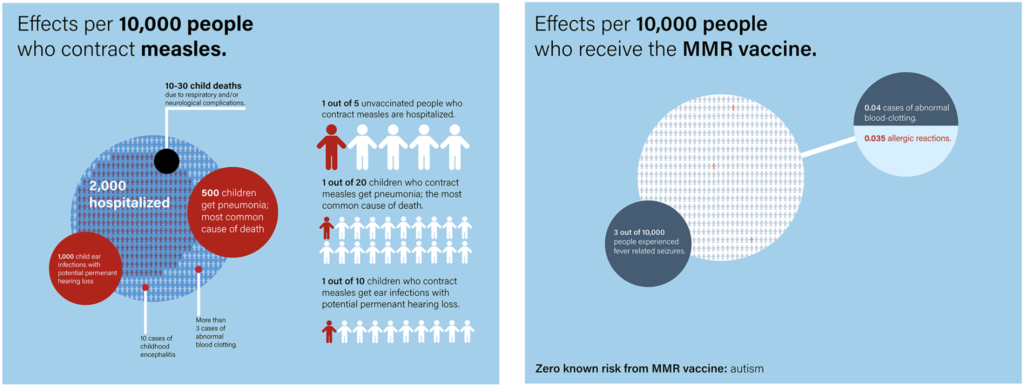
Fig 1. Comparing the risk of 10,000 children acquiring measles (left) versus receiving the measles-mumps-rubella (MMR) vaccine.
“You can’t see what you’ve never had to live”—Cultivating imagination and solution spaces in global health and development
This piece came in mid-year, after many months of destabilization of global health funding, research grants, graduate programs and more had left many in the global health community with a bit of a helpless feeling: what do we do now? This Opinion, written by Safieh Shah, Shruti Bora, Esme Supriya Gupta Longley, Erika Valtierra and Madhukar Pai, urges us to break beyond the usual boundaries of our thinking and reminds us that solution spaces shrink or grow depending on who we center. It ends with a powerful statement that can provide hope and guidance (and connect us with an activist past): “When we intentionally ask these questions and act on the answers, we will unlock truly hidden solutions and find real leaders. As Indigenous people, patient advocates, people living with disabilities, as well as AIDS activists often remind us: “Nothing about us, without us.””
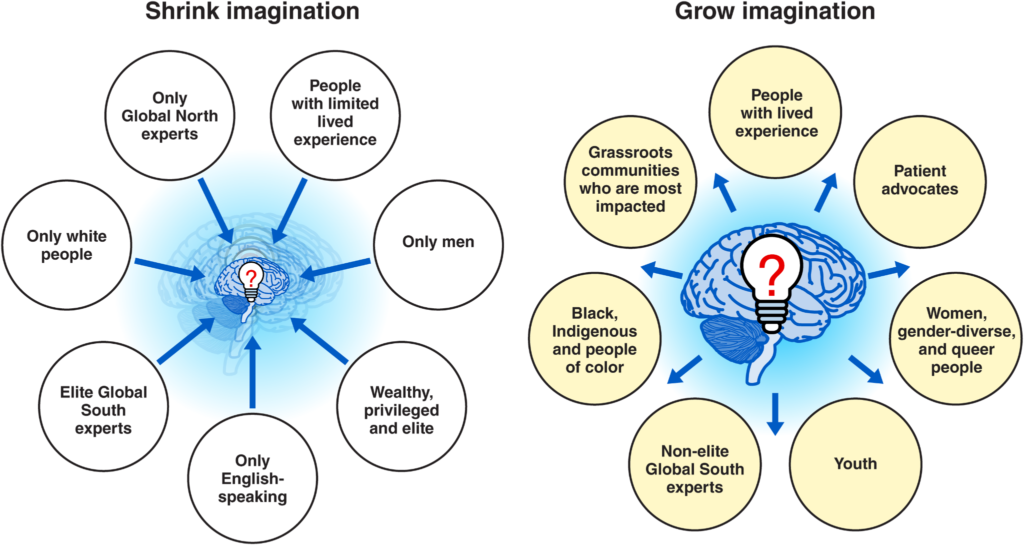
Fig 1. Solution spaces expand or shrink depending on who we engage and center.
Gender pay gaps and inequity at science publishers
Finally, this piece from Jocalyn Clark and Elizabeth Zuccala shows that, as they write: “in contrast to commitments to and recognition for equity, diversity, inclusion and gender equality efforts, leading science publishers have maintained large and persistent gender pay gaps favouring men since 2018, despite promises to close the gender gap.” They remind us that – even in 2025! – we have a long way to go to get to true gender equity, and like so many of our other themes of this year, intentionality is needed from the top down to right historic power and economic imbalances embedded in our systems.
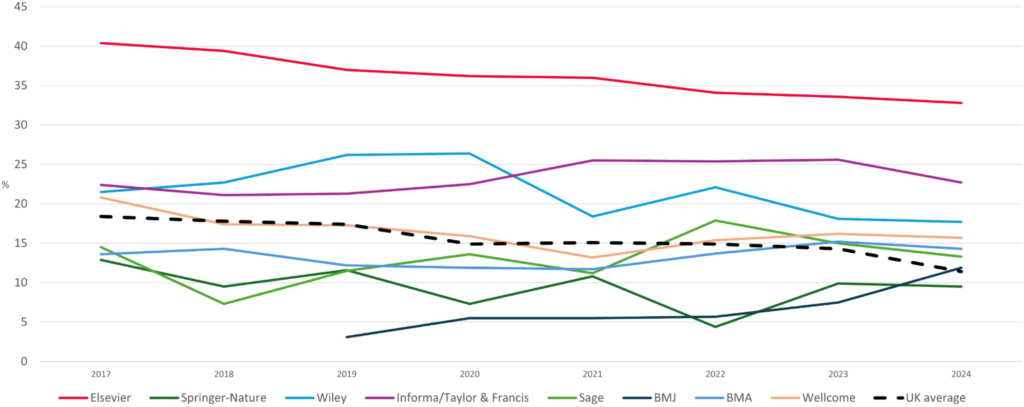
Fig 1. Median gender pay gap over time, UK science publishers and organisations.
Tomorrow we’ll go over some of our top Research Articles that PLOS Global Public Health has published, but for now, I’d like to extend my sincere gratitiude to ALL of the amazing, diverse, brilliant, challenging, global set of authors that published with us this year, along with the wonderful Academic Editors who led many of these papers through peer review. This is a true community effort, and as challenging of a year 2025 has been, reading and learning from these pieces has inspired me many times over – and I hope it has for you as well.