
In the latest edition of ‘PLOS Mental Health Conversations’, we hear from Tomáš Brabec – a Czech physiotherapist and chronic pain consultant…
PLOS Mental Health Conversations: How oncologists can help us navigate grief
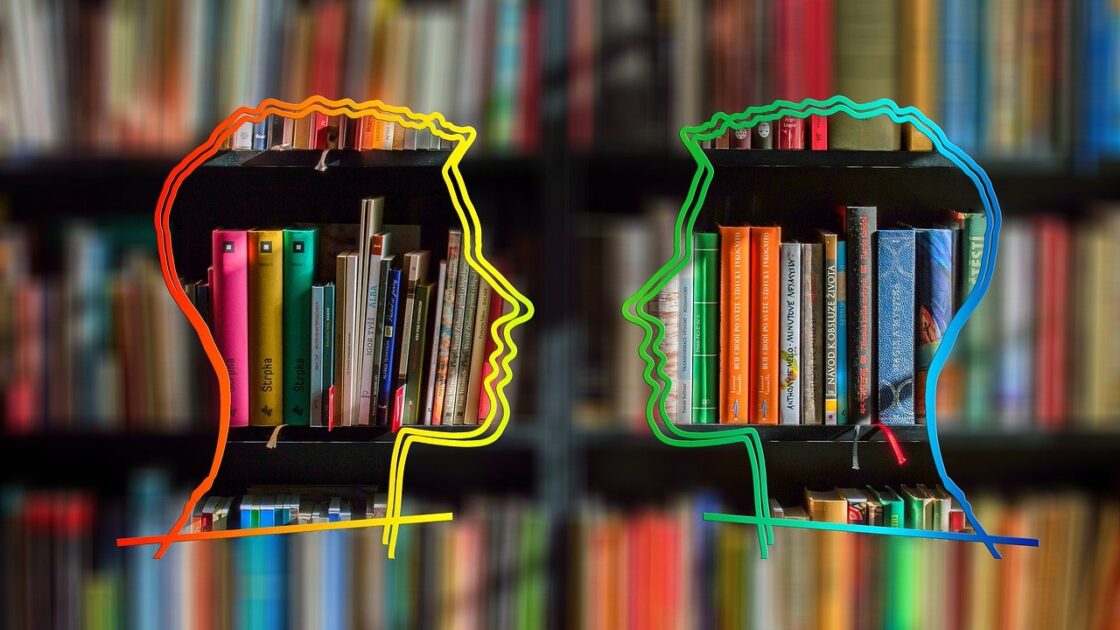
Image credit
Gerd Altmann, from Pixabay
In our latest ‘PLOS Mental Health Conversations’ blog, we focus on the topic of grief. Grief can often be pathologized, but grief is a part of life for anyone who has loved. It is painful, it can be debilitating, but it is not a pathology. Nonetheless, those experiencing grief need support. In the below blog we hear from Dr Hilde Buiting who shares her thoughts about the potential role of oncological specialists during grief and what we can learn from their approach.
Content Warning: The following blog contains discussions of incurable cancer and death. Please engage at your own discretion.
This blog has been written by Hilde Buiting:
Visualize…
You are working as a medical oncologist and are familiar in guiding patients with (incurable) cancer. Often, your patients are or become severely ill because of the burdensome treatment they receive. Although a large majority of these patients will eventually be cured, there are also patients entering either a short or long-term disease trajectory that eventually will lead to their death. While being in such a trajectory, both the patient and doctor are aware of the incurable nature of the disease as well as its prospect of (slow) deterioration and an approaching death.
As a medical oncologist you have a special role in the care for these patients. Apart from close relatives, you are often the first person they can and also desire to talk to and rely on: This is not because you, as a medical oncologist, are ‘in charge’ of making anti-cancer treatment options available. A more important explanation is the simple fact that patients are often inclined to discuss their deepest anxiety with you after having heard their diagnosis.
In the consecutive short consultations (~15 minutes), medical oncologists therefore have the privilege to bring light into their patients’ lives, every time they visit the hospital. Although you take care that patients receive adequate anti-cancer treatment to stabilize their disease, medical oncologists usually at the same time try to optimize and stabilize their patients’ mental health by taking away their anxiety as much as possible. If they would not do that, offering and providing life-prolonging treatment could in fact unnecessarily prolong their suffering, especially with patients with a limited prognosis.
Probably, you do not even think about this important role: You might not be aware of the crucial role you can have in patients’ healing process right after they have heard about their diagnosis. Luckily, the number of studies is increasing in which the interrelation between physical and mental health is being explored. In these studies, high-quality mental health seems to be an important starting point to be able to achieve optimal physical health too. Often, the important task of medical oncologists, to bring light into their patients’ life (without ignoring their mortality) disappears when anti-cancer treatment is ceased because of the absence of an effect and the lack of other treatment options. Patients go home and are advised to prepare themselves for their approaching death and are referred to their General Practitioner (GP).
It could however be argued that the role of the oncologist may be bigger in this last stage. The important task medical oncologists generally fulfill for their patients during treatment could – at least to a certain extent – be transferred to the bereaved relatives after their patients’ death. They have known their patients and accordingly their (treatment) history for such a long time. But more importantly, because they are used to attain a positive stance during intense emotional situations and burdensome disease trajectories. GPs have a different educational background than medical oncologists and are to a certain extent unfamiliar with the oncologic disease trajectory of their patients. They may not be able to incorporate the energetic and optimistic stance of medical oncologists/medical specialists, simply because this is not how they are schooled and connected to their patients.

Today, support for bereaved relatives is often focused on the emotional impact and the physical symptoms that may go hand-in-hand with grief. She et al. reported that although there is currently a strong need for more support regarding the psychological needs of the people who grieve, this support is not always nearby or accepted (at least in the US). Various studies have shown that bereaved relatives are often requested to be present at work as if nothing happened, whereas grief can endure for such a long time and can be very painful.
Moreover, serious grief does not only have a large impact on the bereaved relatives, but also, on their close environment as well as their professional work environment. Often, people who are suffering from grief are not able to perform the same (professional) tasks for a certain period of time. This may encompass plenty and serious symptoms such as severe depressive symptoms, suicidal thoughts, sleeping problems, loss of energy, decreased or increased desires for intimacy/sexuality, severe loneliness, guilt, shame, powerlessness, decreased self-esteem, existential suffering/loss of meaning and the avoiding of people and situations. Yet, the right support with the right people may diminish and lighten this burdensome period to a great extent.
Everyone who experiences grief is confronted with different stages of grief. This is a natural process and avoiding the pain and suffering may only prolong the period of grief and recovery. However, since grief is not equal to depression or severe anxiety, the care approach needs to be different too. Recently, Prigerson et al. therefore reported that we not only need to focus on the psychological impact of grief, but also, on its sociological impact. In other words, focus on the amount of ‘social space’ the deceased filled and through which a new state of equilibrium needs to be rearranged.
In doing this, the role and/or their approach of a medical oncologist can be important. As the treating doctor, they were used to positively stimulate their patients during difficult time periods and/or extreme (physical) suffering. Using the experiences of medical specialists with regard to (anticipatory) grief as a guide to support bereaved relatives too therefore seems a logical step. Attention towards the people who grieve, towards the healthcare professionals being confronted with (anticipatory) grief and towards the work environment is warranted.
About the Author:
Dr Hilde Buiting is a researcher and in training as a medical doctor. She is particularly interested in medical and/or ethical dilemmas. Her interest in the potential role of oncological specialists during grief arose after having seen how these doctors inspired their patients and relatives during their treatment course. Their optimistic stance was exactly what many patients and their relatives were looking for, even during very burdensome situations. Such support seems helpful in order to provide optimal care, but also for themselves to make difficult conversations a little lighter and accordingly, create some headspace.
Our ‘PLOS Mental Health Conversations’ blogs were set up to stimulate discussion and to provide a space for new ideas, theories and proposed frameworks that may still need to be discussed, tested and modified accordingly. The perspectives expressed are those of the author of the blog and so not necessarily represent the perspectives of PLOS, PLOS Mental Health or any of its affiliated Editors.